


 |
Sıvı Soğutma Plağı Sıvı Soğutucu Bir Isı Dağınıklığıdır
Ürün ayrıntıları:
| Menşe yeri: | 1 adet-5 adet |
| Marka adı: | Uchi |
| Sertifika: | SMC |
| Model numarası: | Soğutucu |
Ödeme & teslimat koşulları:
| Min sipariş miktarı: | 100 adet |
|---|---|
| Fiyat: | 1300-1500 dollars |
| Teslim süresi: | Sınırlı değil |
| Ödeme koşulları: | 100000 adet/ay |
| Yetenek temini: | Mevduat Sonrası 3-7Gün |
|
Detay Bilgi |
|||
| Yapıştırma teknolojisi: | FSW, basınçlı boru | Maksimum çalışma basıncı: | 10 bar |
|---|---|---|---|
| Ekstra süreç: | OEM / DOM | Yüzey Düzlüğü: | 0,1 mm |
| Isı Kaynağı Gücü: | 24KW | Korozyon direnci: | Evet, Uygun Kaplama ile |
| Tek paket boyutu: | 45X40X10cm | Boyutlar: | Özelleştirilebilir |
| Teknoloji: | Boru bükme | Ambalaj Kutusu Boyutu: | 42.5*33*18 CM |
| IP Derecelendirmesi: | IP65 | Yüzey İşlem: | Damgalama + yüzey bitirme |
| Su yolu sayısı: | 6 su yolu | ||
| Vurgulamak: | lehimli sıvı soğutma plakası,sıvı soğutmalı ısı dağılımı plaka,Sıcaklık dağılımı soğutma plağı |
||
Ürün Açıklaması
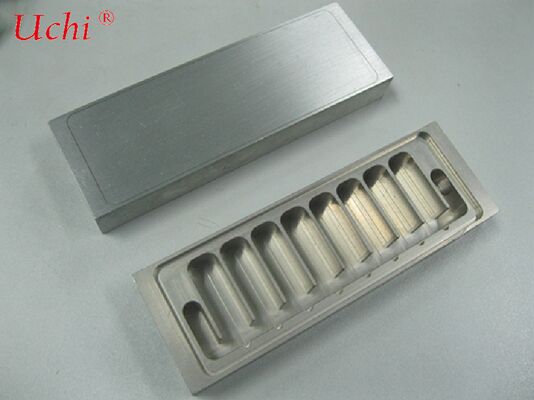
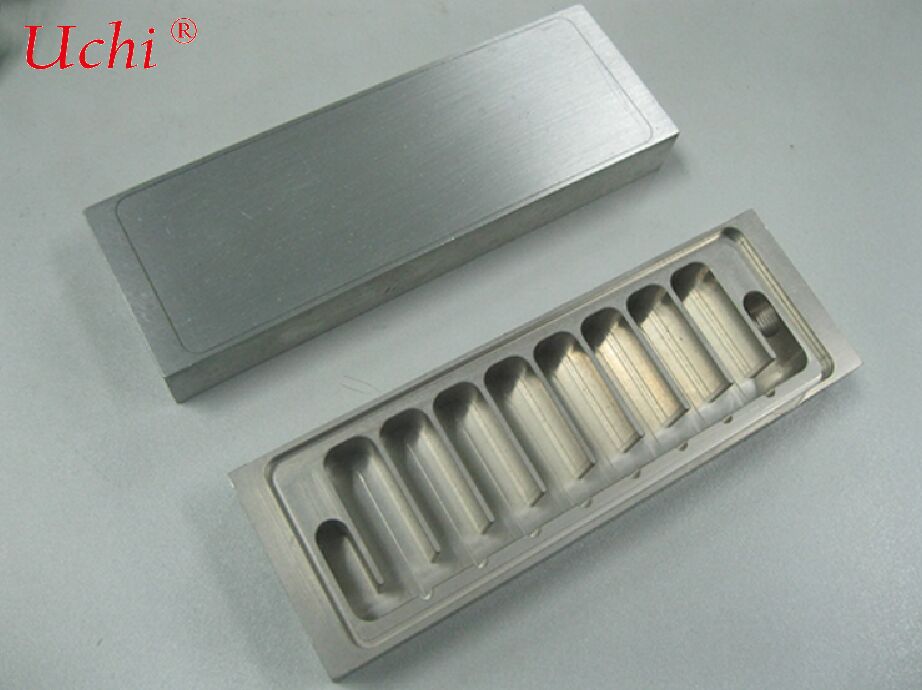
Levrelenmiş sıvı soğutma plağı
A brazed liquid cooling plate is a liquid-cooled heat dissipation plate formed by welding the upper and lower cover plates and the internal flow channels / fins in a high-temperature vacuum furnace using the brazing processMükemmel mühürleme performansı, hassas akış kanalları, düşük termal direnci ve yüksek basınç direnci ile üst düzey sıvı soğutma plakaları için ana akım süreçlerden biri haline gelmektedir.
I. Temel Yapı
Genellikle üç katmandan oluşur:
- Yukarı kapak plaka: mühürleme, arayüzler ve montaj yüzeyi sağlar
- Orta katman: akış kanalı plağı / türbülans yüzgeçleri / iğne yüzgeçleri
- Alt kapak plaka: ısı üreten bileşenler için yapıştırma yüzeyi
Üç katman metalürjik olarak kaynakla bir bütün olarak birleştirilir.
II. Temel İşlem: Vakum Brazing
- Yaprak metal şekillendirme → kaplama / önceden yerleştirme kaynak doldurma metali
- Yükleme ve konumlandırma → vakumlu kaynak fırına yükleme
- Yüksek sıcaklıkta ısıtma (alüminyum için yaklaşık 600°C)
- Lehimlenme dolgu madeni erir, ıslanır ve boşlukları doldurur
- Yüksek dayanıklılıklı mühürlü kaynaklar oluşturmak için soğutma ve şekillendirme
Avantajları:
- Gözeneklilik yok, soğuk eklemler yok, hava geçirmezliği son derece yüksek
- Yüksek kaynak gücü ve iyi korozyon direnci
- Karmaşık ve hassas akış kanalı tasarımlarını sağlar
- Yumuşak yüzey, yüksek güçlü cihazları yapıştırmak için idealdir
III. Ana özellikler
-
Yüksek ısı dağılımı verimliliğiMikro kanallar, pervaneli yüzgeçler ve gözenekli yüzgeçler orta tabakaya entegre edilebilir, bu da büyük bir ısı değişimi alanı ve düşük termal direnç sağlar.
-
Güçlü basınç direnciStandart basınç değer: 3 ∼ 10 bar; yüksek basınçlı versiyonlar 15 bar'ı aşar, hızlı şarj, enerji depolama ve elektrikli motorlar için uygundur.
-
Güvenilir mühürlemeTamamen kaynaklı yapı, sıfır sızıntı riskiyle, helium sızıntı testiyle uyumlu.
-
Mükemmel yüzey düzlüğüIGBT'lerin, SiC modüllerinin, güç cihazlarının, pil paketlerinin ve diğer düzlemli bileşenlerin yüzeye monte edilmiş ısı dağılımı için uygundur.
-
Genellikle alüminyum alaşımından yapılmıştırGenellikle 3003, 5052, 6061 ve diğer alaşımları kullanır, hafif tasarım, yüksek termal iletkenlik ve orta maliyet sunar.
IV. Ortak akış kanalı tasarımları
- Serpentin akış kanalı: basit yapı, düşük basınç düşüşü
- Staggered / paralel çok kanallı: eşit ısı transferi
- Mikro kanal yüzgeçleri: yüksek ısı akışı yoğunluğu senaryoları için
- Pin fin dizisi: GPU / lazerler için uygun ultra yüksek ısı transferi
V. Tipik Uygulamalar
- Yeni enerji taşıtları: motor kontrol cihazları, OBC, DC-DC dönüştürücüler, 800V SiC modülleri
- Enerji depolama ve hızlı şarj: PCS enerji depolama dönüştürücüleri, ultra hızlı şarj istasyonları, flaş şarj şantları için ısı dağılımı
- Endüstriyel kontrol ve güç: SVG, fotovoltaik inverterler, yüksek voltajlı inverterler
- Optoelektronik ve bilgisayar gücü: lazerler, GPU sunucuları, radar sistemleri
VI. Diğer sıvı soğutma plakalarıyla karşılaştırma
-
vs sürtünme karıştırma kaynaklı sıvı soğutma plakaları:Lehimleme, hassas akış kanalları ve yüksek ısı akış yoğunluğu için daha uygundur; sürtünme kaynak büyük boyutlu ve yüksek akışlı uygulamalar için daha iyi çalışır.
-
vs Ekstrüde profilli sıvı soğutma plakaları:Lehimlenmiş plakalar daha esnek akış kanalı tasarımı ve daha yüksek maliyetle daha güçlü ısı dağılımını sunar.
-
Tüp içi sıvı soğutma plakalarına karşı:Daha iyi yapıştırma performansı ve daha düşük termal direnç, yüksek güçlü cihazlar için idealdir.
Bu ürün hakkında daha fazla bilgi edinmek istiyorum
